
Intentional Breathing: Blood Pressure Management

In our modern world today, we are mostly unaware of the fact that we are a society of disconnected people. This is a state of being that goes beyond our social interactions and family obligations. This is happening on a subconscious level. Therefore, we continue to operate in acceptance of this way of living which is the most prominent reason for us being disconnected from ourselves/our own being.
We are constantly on the go, in a hurry, under some form of pressure, depriving our needs, distracted by the noise around us and ignoring our body and what the body is requiring of us. Being aware of our body, how it feels, what is needs, what it’s communicating, is one way Ancient people were able to address any change or disease that occured. This is one of many reasons why intentional, conscious breathing is vital to our overall well being.
When we breathe consciously and intentionally, we reprogram the function of the nervous and cardiovascular systems. Slow, deep, breathing stimulates the vagus nerve which signals the parasympathetic nervous system ( rest and digest ) to go into action. The result of this activation, is an improved and more efficient nervous and cardiovascular function. The heart rate lowers, the production of stress hormones like adrenaline and cortisol significantly drops as well and blood vessels are relaxed. As a result of this, the flow of blood becomes a much easier process. All of these processes support more than one healthy body function especially blood pressure management.
On the flip side of this, chronic stress or anxiety will do the complete opposite to the body. When the body is experiencing chronic stress or anxiety, the sympathetic nervous system ( fight, flight or freeze response ) gets activated. The levels of cortisol and adrenaline rises causing constriction within the blood vessels and increasing heart rate eventually leading to an elevation of blood pressure.
Breath work can be used like a switch to help the body consciously shift into a state of calm and rest, stabilizing the cardiovascular system. When you take slow deep breaths into the diaphragm, you improve oxygen delivery to cells and tissues balancing the carbon dioxide ( CO 2 ) levels. The right amount of CO 2 dilates the blood vessels, reducing any vascular resistance.
In conclusion, breath work is a wonderful gift to us from our very own bodies to help us stay calm, present, balanced, coherent, in control and whole.
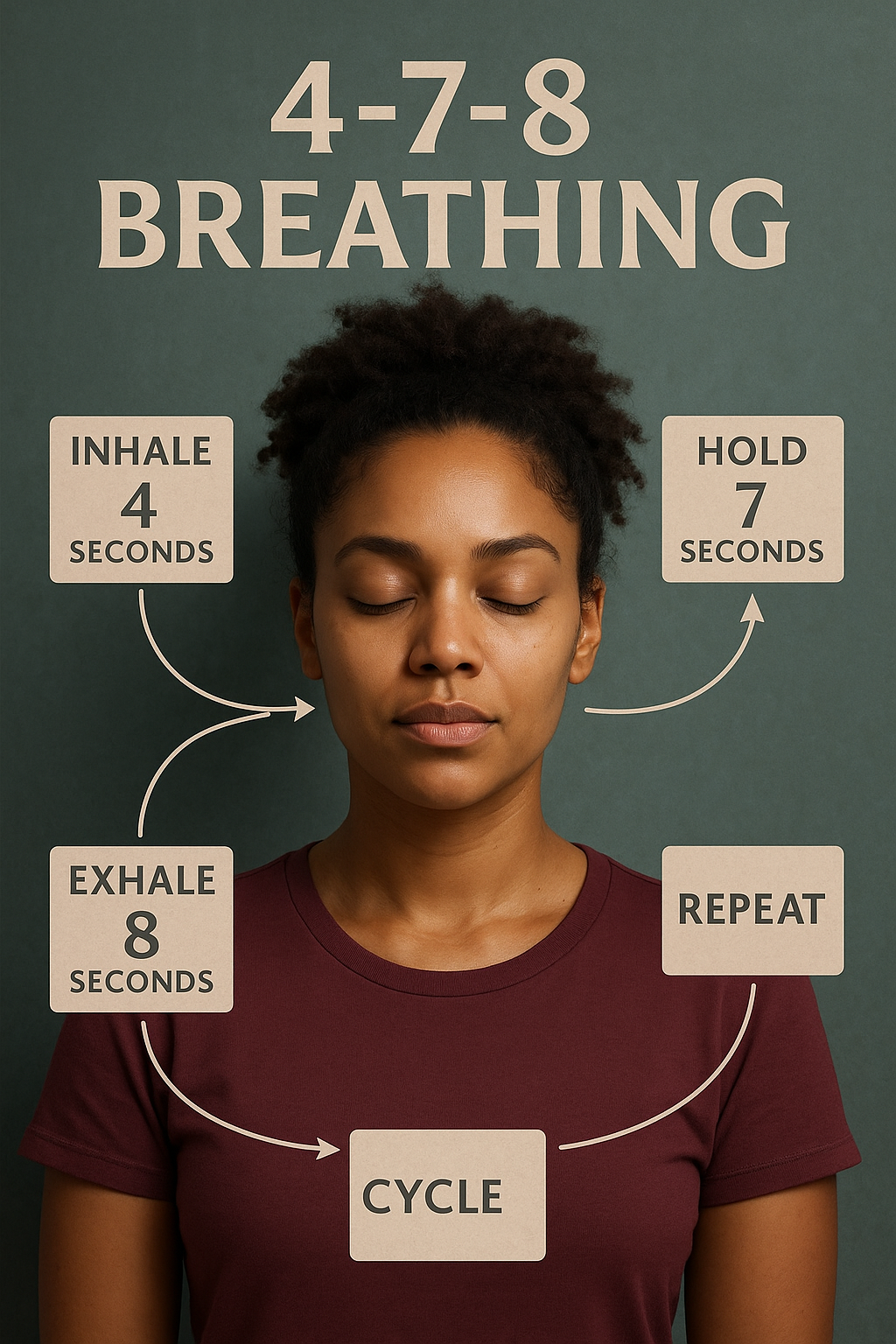
Make it stand out
Relaxation Response Technique
By: Dr. Andrew Weil
Tip: Sit upright with back straight
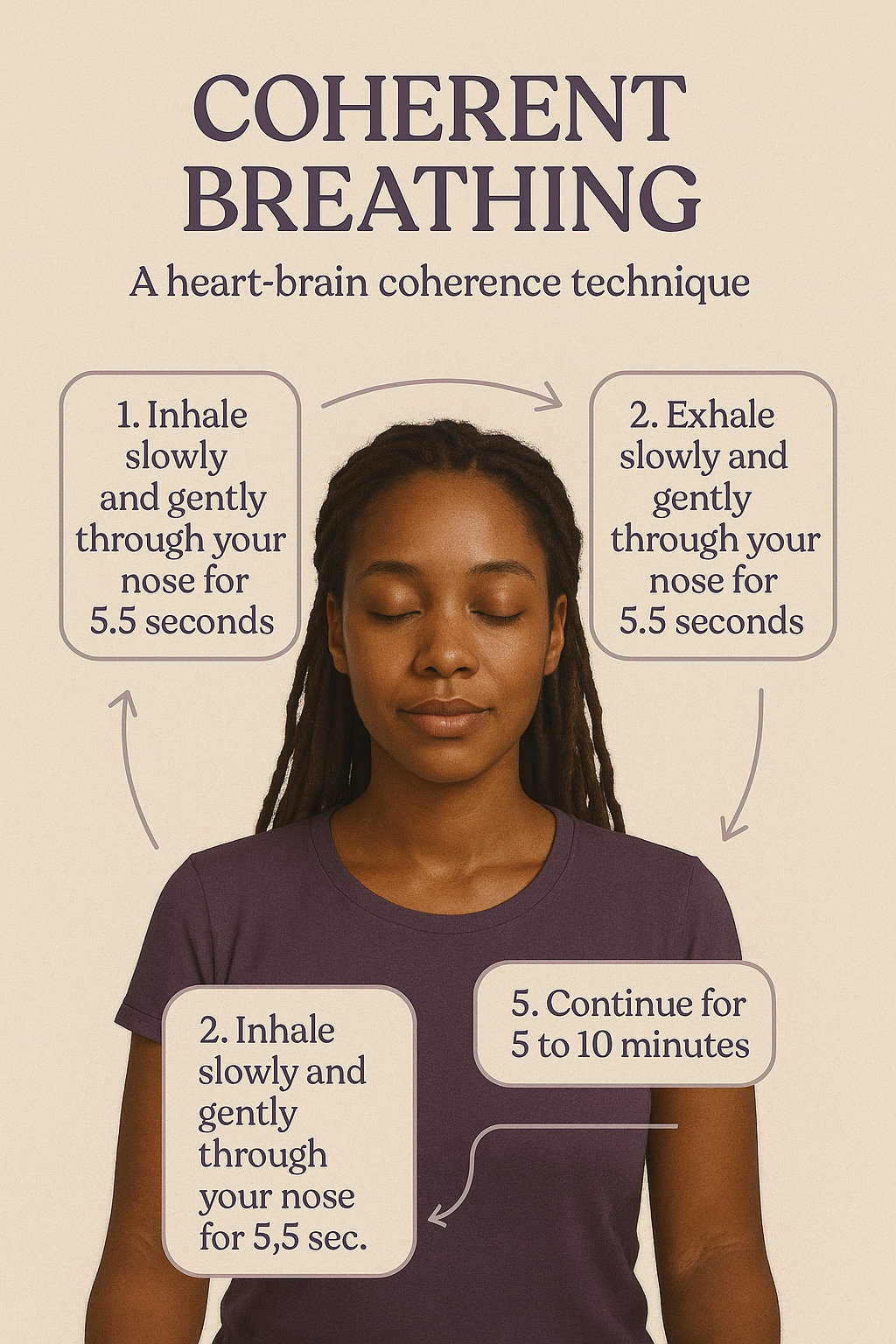
Coherent Breathing
A heart-brain coherence technique